
AI Phishing and Email Security Guide: Protect Your Inbox from Deepfake and Impersonation Attacks
A modern guide for businesses facing AI-generated phishing, deepfake impersonation, invoice fraud and account takeover attempts.
Phishing has become harder to spot because attackers now use better language, realistic branding, cloned voices and convincing business context. A fake supplier email or executive instruction may no longer look suspicious. This makes email security a leadership issue, not only an IT filter setting.
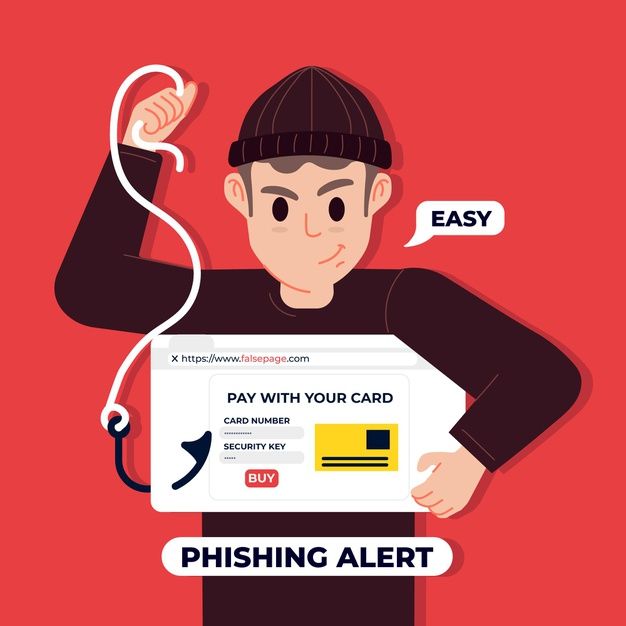
AI-assisted attacks target trust. They may impersonate a CEO, finance manager, vendor, bank, courier or customer. The email may ask for a payment change, password reset, file download or urgent approval. If the organisation has weak verification habits, one mistake can create serious financial or data exposure.
ANSI Technologies helps businesses strengthen Microsoft security, Microsoft 365 controls and wider cybersecurity governance to reduce email-based compromise.
What this guide helps you decide
Detect spoofing, lookalike domains and suspicious sender behavior.
Use approval controls for bank changes, urgent payments and supplier instructions.
Strengthen MFA, conditional access, privileged roles and mailbox monitoring.
Give employees a simple way to report suspicious emails without fear or delay.
Practical guidance for leadership and IT teams
Why AI phishing is different
Older phishing relied on spelling mistakes and generic messages. AI phishing can be personalised, grammatically correct and timed around real business activity. This raises the importance of process controls, not only visual judgment.
Controls finance teams should use
Payment change requests should be verified through a separate channel. High-value transfers should require approval workflows. Vendor master changes should be logged and reviewed.
How to protect Microsoft 365 users
Security starts with MFA, conditional access, anti-phishing policies, safe links, safe attachments, mailbox audit, external sender warnings and admin role control.
Why process controls matter as much as tools
AI phishing targets decision habits. A convincing email can create pressure, urgency and confusion. Security tools can reduce exposure, but approval controls reduce the chance that one manipulated person can create a business loss. This is especially important for finance, procurement and executive teams.
A separate-channel verification rule is simple but powerful. If an email requests bank-detail changes, urgent payment, confidential data or unusual access, the team should verify through an already known phone number or approved workflow.
How to monitor for compromise after a suspicious email
If a user reports a suspicious message, the team should check whether anyone clicked, whether credentials were entered, whether mailbox rules changed, whether sign-ins came from unusual locations and whether similar messages reached other users. Quick investigation can prevent a single click from becoming a wider incident.
The response should be calm and documented. Users should be encouraged to report suspicious activity early rather than hide mistakes. A fast report can stop an attack before it spreads.
Training employees without creating fatigue
Security awareness fails when it becomes generic and repetitive. Employees need short, relevant examples that match their real work: invoice approvals, supplier changes, login prompts, shared documents, courier messages and executive requests. Practical examples are more useful than fear-based warnings.
Teams should also know how to report suspicious messages. If reporting is easy, security teams get early warning. If reporting is difficult, users may ignore or delete suspicious messages silently.
Executive protection for high-risk users
Executives, finance leaders, HR managers and IT administrators deserve additional protection because their accounts can be abused for payment fraud, data access or privileged changes. Stronger controls may include stricter conditional access, mailbox monitoring, admin separation and targeted awareness.
This does not mean making work impossible. It means designing controls around the risk level of the role so convenience does not override business protection.
Reducing human risk without blaming users
People make mistakes when attackers create urgency, pressure and believable context. The right approach is to build safer processes around users, not blame them after a mistake. Good security design assumes that someone will eventually click and therefore limits the damage.
That is why MFA, mailbox monitoring, endpoint protection, approval workflows and reporting habits matter. They create safety nets around normal human behavior.
Why AI phishing should be tested through scenarios
Tabletop scenarios help teams practice. A fake vendor bank-change request, a deepfake voice call, a shared document lure or an executive gift-card scam can reveal gaps in approval habits. These exercises are low-cost and highly practical.
The point is not to embarrass users. The point is to improve the process so a convincing attack cannot easily bypass verification, approval and monitoring.
Building safer approval habits
The strongest anti-phishing culture uses simple verification rules. No payment changes by email alone. No urgent credential requests without verification. No executive exception that bypasses policy. These habits reduce the damage that a convincing AI-generated message can cause.
When the process is clear, employees do not have to rely only on instinct during pressure.
How to review suspicious email events
Each suspicious email event should be reviewed for sender, target users, clicked links, attachment activity, credential entry, mailbox rule changes and similar messages sent internally. This quick review helps determine whether the incident ended with one email or became a broader compromise.
Documenting these reviews also improves future defense. Patterns show which users, departments or suppliers are being targeted most often.
Keeping protection current
AI phishing will keep changing, so controls should be reviewed regularly. New impersonation patterns, supplier fraud techniques and login abuse methods should feed into awareness, policies and monitoring rules.
A useful review habit
After every phishing event, review what worked, what failed and which control should be improved. Small reviews after small incidents prevent larger failures later.
Decision table
| Area | What to check | Why it matters |
|---|---|---|
| CEO fraud | Fake urgent payment request | Verification workflow and approval controls |
| Vendor impersonation | Changed bank details or invoice attachment | Supplier validation process |
| Credential theft | Fake login page or shared document | MFA and URL protection |
| Deepfake voice | Phone or voice note pressure | Callback verification with known contact |
Action checklist
- Enable MFA and conditional access
- Configure anti-phishing and impersonation policies
- Train finance and leadership teams on approval fraud
- Review mailbox forwarding rules
- Monitor risky sign-ins
- Protect privileged admin accounts
- Test backup and recovery for email data
How ANSI Technologies can support this area
ANSI Technologies helps businesses convert security and continuity priorities into practical technical actions. Depending on your current maturity, the work can connect with Microsoft security, Microsoft 365 support, cybersecurity services and backup and disaster recovery.
The focus is simple: protect business operations, reduce preventable exposure and give management clear visibility into risk, remediation and continuity readiness.
Frequently asked questions
Can AI phishing bypass normal awareness training?
It can make scams harder to identify, so businesses need both awareness and technical/process controls.
What is the best defense against invoice fraud?
Separate-channel verification, approval controls, mailbox security and supplier master governance are key.
Should executives receive special email security controls?
Yes. Executives and finance leaders are high-value targets and should have stronger monitoring and verification processes.
Need a stronger security and continuity plan?
Share your current systems, risks and priorities with ANSI Technologies. We can help assess exposure, prioritise fixes and build a practical roadmap for secure business operations.