Source to receive
Vendor, purchasing, receiving and inspection related design.
Find the right technology, specialist team, or service for your business.
ERP, CRM & business platforms
Modern workplace and intelligent platforms
Explore all Microsoft services ↗Intelligent execution at scale
Resilient, secure enterprise operations
Leadership and strategic delivery
Strengthen inventory reliability, procurement discipline, production planning and fulfilment performance through a business-led Dynamics 365 Supply Chain approach.

Use Dynamics 365 Supply Chain Management to connect sourcing, warehousing, production and outbound operations with greater discipline and visibility.


A good SCM engagement evaluates warehouse realities, item structures, production constraints and the relationships between operations and finance.
Our scope reflects actual supply chain control points.
Vendor, purchasing, receiving and inspection related design.
Locations, movements, traceability, stock accuracy and fulfilment.
BOMs, routes, resources, production orders and planning parameters.
Operational visibility, fulfilment quality and finance alignment.
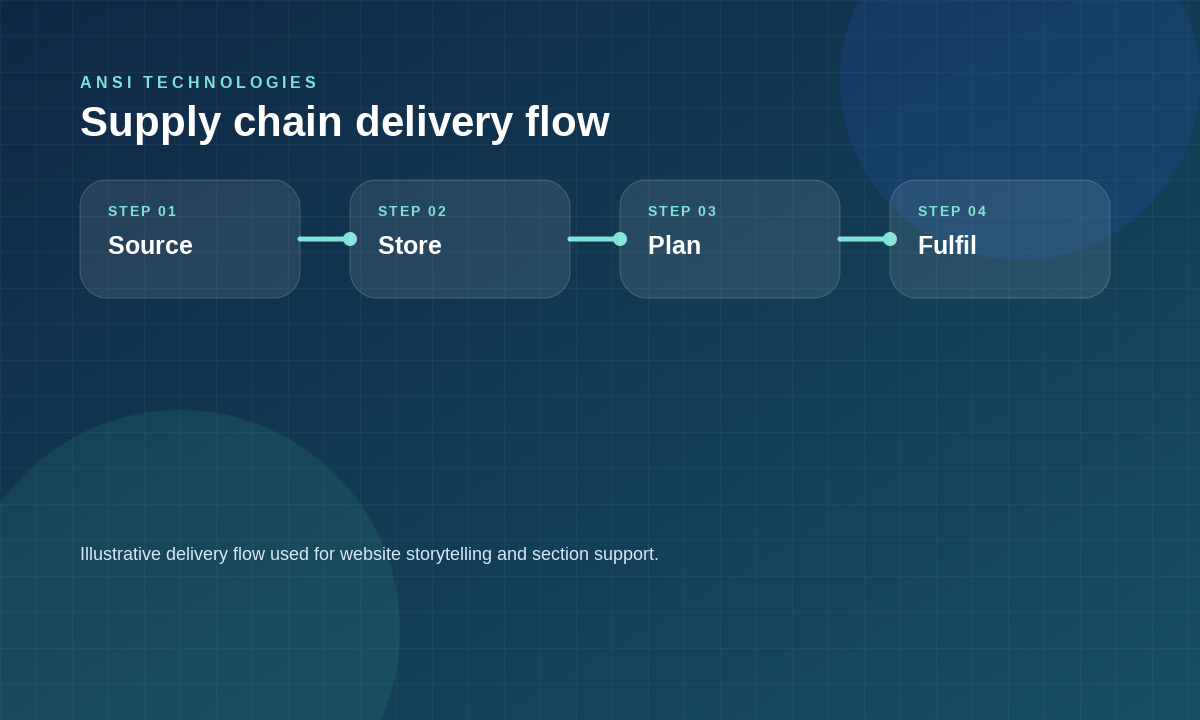
Every engagement should be shaped by approved business outcomes, real process conditions, available internal capacity and a controlled transition approach.
Agree scope, responsibilities, testing and acceptance before implementing changes.
Agree the expected outcomes and acceptance criteria before the engagement begins.
Clear definition of the target operating flow and responsibilities.
Design direction for stock control, planning and movement accuracy.
Testing across procurement, stock, production and fulfilment processes.
A path for support, adoption and post go-live refinement.
Final deliverables always depend on the approved scope, environment access, supporting systems, project constraints and commercial agreement.
These questions are designed to support commercial clarity, internal alignment and buyer confidence.
Yes. Warehouse, stock control and fulfilment scenarios are common areas of assessment and implementation support.
Yes. Where relevant, we cover BOMs, routes, capacity, production orders and planning design.
Yes. We support reviews, clean-up, stabilization and improvement planning for existing Microsoft environments.
Whether you are evaluating a new platform, improving an existing environment or looking for a more disciplined support model, ANSI can help define the next commercially sensible step.